

India’s electric car market once again witnessed strong growth in October 2026. According to the latest retail data from the Federation of Automobile Dealers Associations (FADA), 37,049 electric passenger vehicles were registered in India in October, a 76.47% increase compared to 20,995 units in October 2025.
Amidst this growth, Tata Motors maintained its number one position, while Mahindra showed strong performance in the second position. MG remained in the third position, and VinFast also expanded its presence in the market.
Follow EVJournal.in on X for the latest EV news & updates instantly!
But if we look at the numbers in a little detail, an interesting picture emerges. Electric car sales have increased significantly year-on-year, but EV penetration has declined compared to September.
Let’s take a detailed look at the October 2026 electric car sales data and see which companies are in a strong position in the Indian EV market.
Also Read: October 2026 EV Car Sales: Tata Motors Leads with 14,552 Units; Mahindra and MG Follow
October 2026 Electric Car Sales: Key Highlights
According to FADA’s October 2026 retail data:
- Total electric passenger vehicle registrations: 37,049 units
- October 2025 registrations: 20,995 units
- Year-on-year growth: 76.47%
- September 2026 registrations: 36,108 units
- Month-on-month growth: 2.61%
- EV penetration in passenger vehicle sales: 7.3%
- October 2025 EV penetration: 3.5%
- September 2026 EV penetration: 8.5%
An interesting point is that FADA collected data for October 2026 from 1,468 out of 1,469 RTOs. Therefore, this is retail registration data, not wholesale dispatch figures from manufacturers.
October 2026 Electric Car Sales: Brand-Wise Ranking
Tata Motors maintained the first position in October with 14,669 units. Mahindra was second with 8,538 units, and MG was third with 5,939 units.
Below is the brand-wise retail performance according to FADA data.
| Rank | Manufacturer | Units | YoY Growth | MoM Growth |
|---|---|---|---|---|
| 1 | Tata | 14,669 | 77.61% | -0.82% |
| 2 | Mahindra | 8,538 | 85.65% | 9.74% |
| 3 | MG | 5,939 | 10.80% | 13.30% |
| 4 | VinFast | 2,571 | 1,710.56% | -13.26% |
| 5 | Kia | 1,395 | 85.26% | 10.54% |
| 6 | Maruti Suzuki | 1,200 | — | 8.70% |
| 7 | Hyundai | 760 | 42.32% | -4.04% |
| 8 | BYD | 737 | 4.10% | -11.84% |
| 9 | BMW | 462 | 26.58% | -7.97% |
| 10 | Tesla 291 | 627.50% | — | |
| 11 | Toyota | 190 | — | -12.84% |
| 12 | Mercedes-Benz | 62 | -48.76% -50.40% | |
| 13 | Stellantis | 60 | 11.11% 9.09% | |
| 14 | Volvo | 37 | 60.87% -17.78% | |
| — | Others | 138 | — | — |
| Total | 37,049 |
Source: FADA October 2026 retail data. Dash indicates that a comparable growth figure has not been stated in the published comparison. The 138 units under Others are included to reconcile the brand-wise figures with the total.
1. Tata Motors Continues to Lead the Electric Car Market
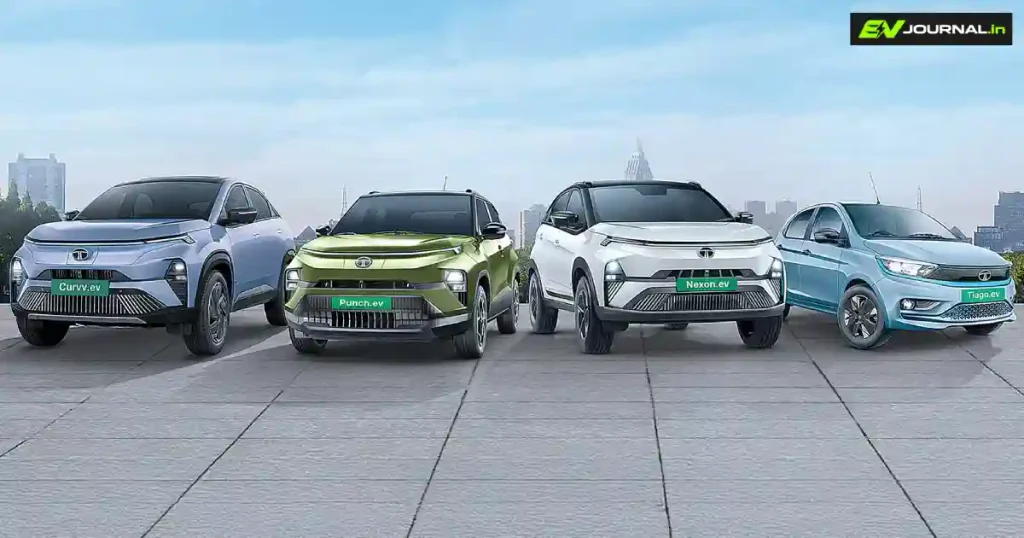
Tata Motors once again secured the top position in India’s electric passenger vehicle market.
The company recorded 14,669 retail units in October 2026, compared with 8,259 units in October 2025. This represents a year-on-year growth of 77.61%.
However, Tata’s monthly performance was slightly lower than September 2026, when it registered 14,791 units.
EVJournal Analysis: Tata’s biggest advantage is its established presence in India’s electric car market. Its EV portfolio includes models across different price and body-style segments, which helps it reach a wider range of buyers.
With approximately 39.6% of the total electric passenger vehicle market, Tata remains the clear market leader.
But there is one thing worth watching: Tata’s year-on-year growth is strong, yet Mahindra is growing at a faster rate. Competition at the top could become more interesting over the coming months.
Also Read: Mahindra BE 07 Spotted Charging in Karnataka: Latest Spy Shots Reveal More Details
2. Mahindra Records 85.65% Growth: Competition Is Getting Stronger
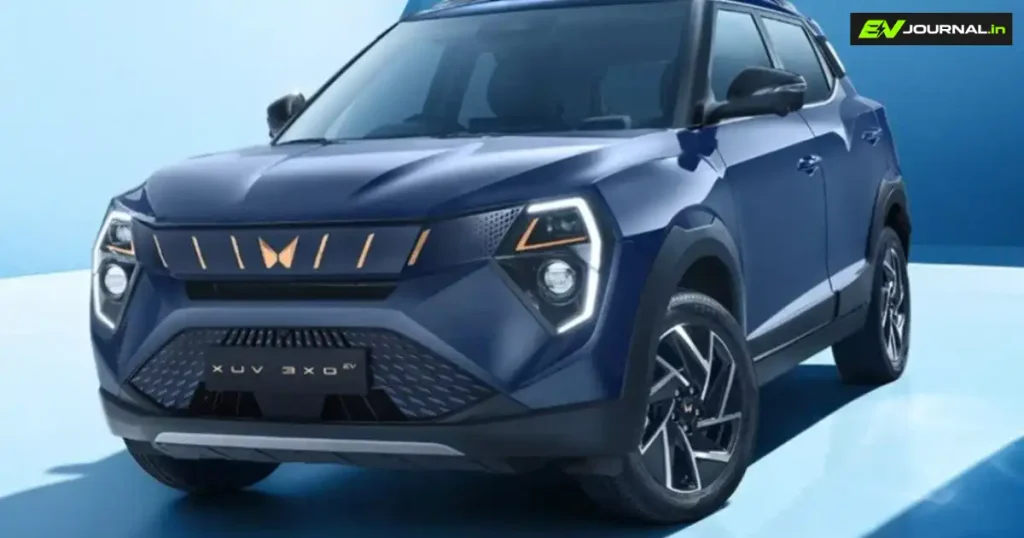
Mahindra secured second position with 8,538 electric passenger vehicle registrations in October 2026.
Compared with 4,599 units in October 2025, the company registered an impressive 85.65% year-on-year growth. It also recorded 9.74% growth compared with September.
Mahindra’s electric SUV portfolio includes the BE 6 and XEV 9e, while the company is also expanding its electric SUV lineup.
EVJournal Analysis: Mahindra’s performance is particularly interesting because it is not just maintaining its second position; it is also growing faster than Tata in percentage terms.
However, there is still a significant difference between the two companies. Tata recorded 6,131 more units than Mahindra in October.
If Mahindra continues to expand its EV portfolio and maintain this growth momentum, the competition for the top position could become tighter.
3. MG Holds Third Position, but Monthly Growth Is Strong
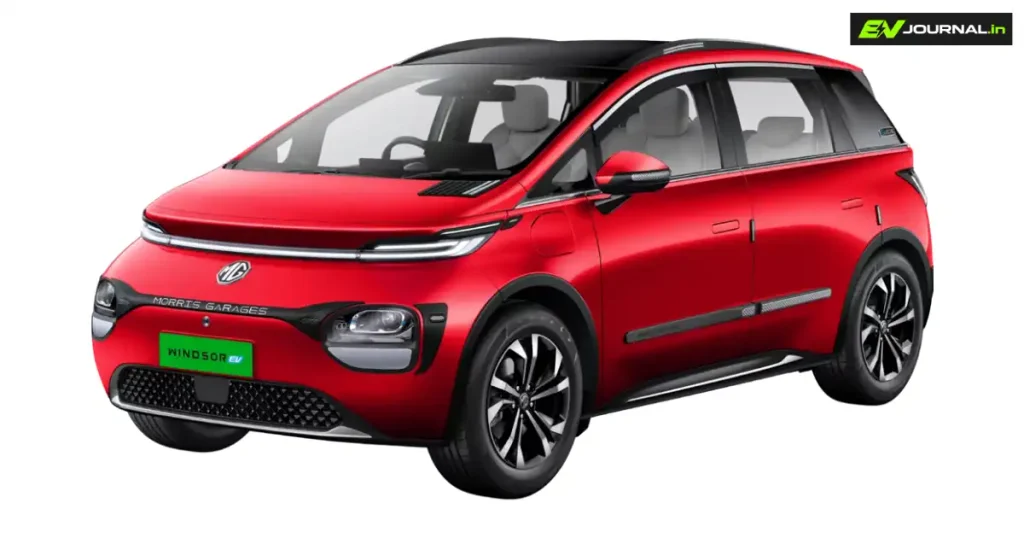
JSW MG Motor India recorded 5,939 electric passenger vehicle registrations in October 2026.
The company registered 10.80% year-on-year growth compared with 5,360 units in October 2025. Its month-on-month growth was stronger at 13.30%.
MG’s electric portfolio includes models such as the Windsor EV, ZS EV and Comet EV.
EVJournal Analysis: MG’s October performance shows that the company continues to maintain a strong position in the Indian electric car market.
Although its year-on-year growth is lower than Tata and Mahindra, its monthly growth indicates an improvement over September.
MG will need to maintain this momentum if it wants to reduce the gap with the second-place Mahindra.
4. VinFast Records 1,710% Growth: A Number That Needs Context
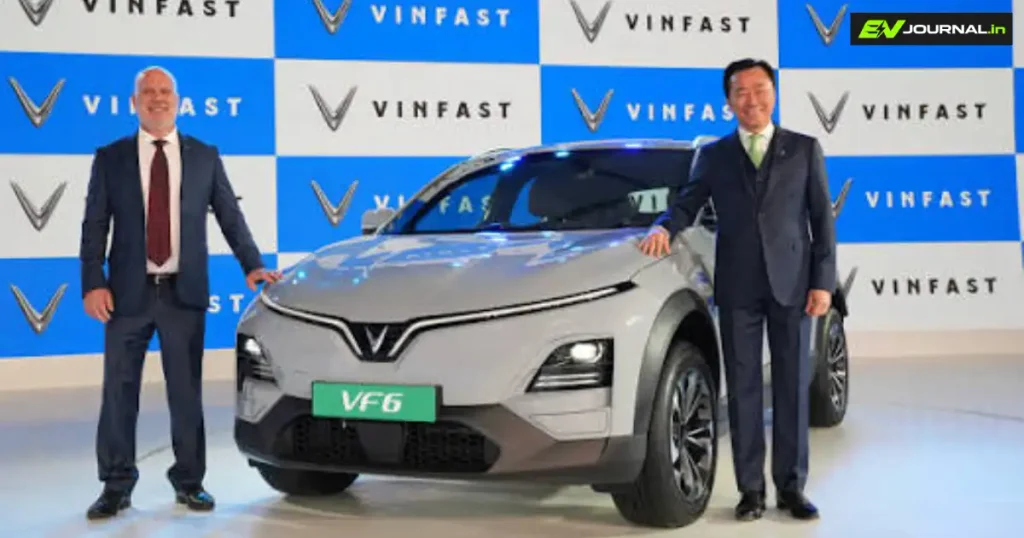
VinFast secured fourth position with 2,571 electric passenger vehicle registrations in October 2026.
The company recorded a massive 1,710.56% year-on-year growth compared with just 142 units in October 2025.
However, its month-on-month registrations declined by 13.26% from September’s 2,964 units.
EVJournal Analysis: At first glance, 1,710% growth looks extraordinary. But it is important to understand the base effect.
VinFast had a very small sales base in October 2025. When a company’s previous-year volume is low, even a relatively small increase in actual units can produce a very high percentage growth.
So, while VinFast’s current position is worth watching, one month’s growth percentage alone is not enough to judge its long-term success in India.
Its future performance will depend on how well it builds its dealer network, customer confidence and after-sales support.
5. Kia and Maruti Suzuki Strengthen Their Presence
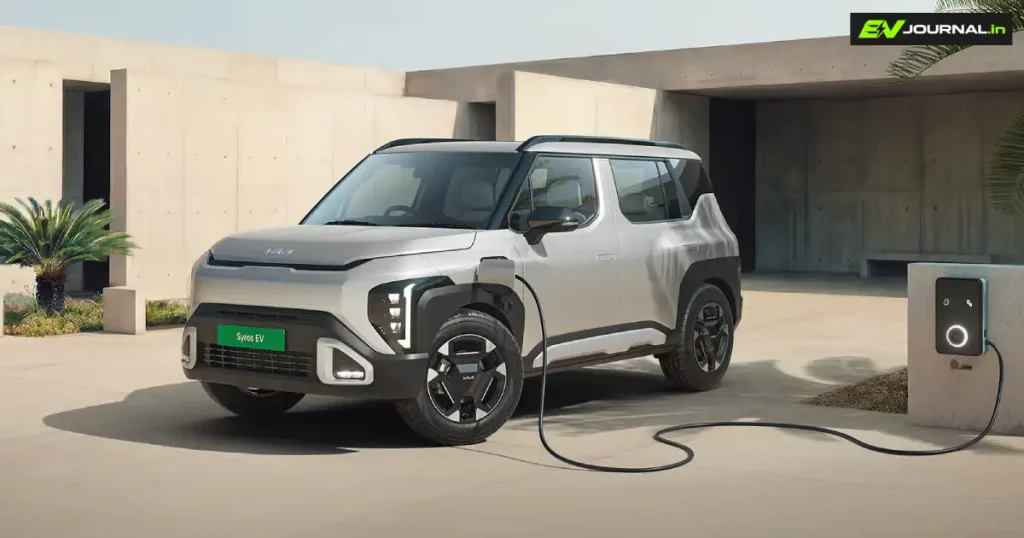
Kia recorded 1,395 electric passenger vehicle registrations in October, securing fifth position. Its sales increased 85.26% year-on-year and 10.54% month-on-month.
Maruti Suzuki followed with 1,200 units, registering 8.70% growth over September.
Maruti did not have a comparable electric passenger vehicle retail base in October 2025, so a year-on-year growth percentage is not available in the published comparison.
EVJournal Analysis: Kia and Maruti are important names to watch because both companies have the potential to expand competition in the electric passenger vehicle market.
Maruti’s entry is particularly significant because of its established reach across India’s passenger vehicle market. However, its future EV performance will depend on product availability, pricing, charging convenience and customer acceptance.
6. How Did Hyundai, BYD and Luxury EV Brands Perform?
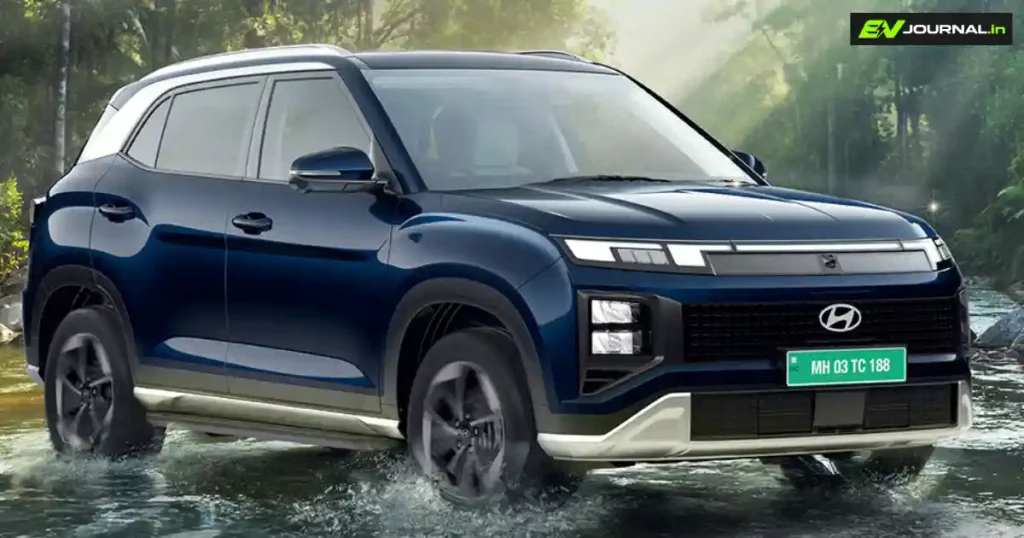
Hyundai recorded 760 units in October 2026, with 42.32% year-on-year growth. However, its registrations declined 4.04% compared with September.
BYD registered 737 units, growing 4.10% year-on-year but declining 11.84% month-on-month.
Among premium manufacturers, BMW recorded 462 units, while Tesla registered 291 units. Tesla’s year-on-year growth was 627.50%, compared with 40 units in October 2025.
Toyota recorded 190 units, Mercedes-Benz 62 units and Volvo 37 units. Stellantis also recorded 60 units.
EVJournal Analysis: The data shows that electric passenger vehicle registrations are not limited to mass-market manufacturers. Premium and luxury brands are also participating in India’s EV market.
However, their volumes remain much smaller than those of Tata, Mahindra and MG. This is expected in a market where vehicle pricing and the size of the potential customer base differ significantly across segments.
Why Did EV Market Share Fall from 8.5% to 7.3%?
This is one of the most interesting points in October’s data.
Electric passenger vehicle registrations increased from 36,108 units in September to 37,049 units in October. That is a 2.61% monthly increase.
Despite this growth, EV penetration declined from 8.5% in September to 7.3% in October.
Why?
Because market share depends not only on EV registrations but also on total passenger vehicle registrations.
FADA’s broader October data shows that total passenger vehicle retail stood at 5,07,768 units, up 18.86% compared with September but down 14.23% year-on-year.
In simple terms, the overall passenger vehicle market grew faster month-on-month than the electric passenger vehicle segment. As a result, EVs accounted for a smaller percentage of total passenger vehicle registrations.
But the longer-term picture remains positive: EV penetration increased from 3.5% in October 2025 to 7.3% in October 2026.
EVJournal Says…
Is India’s Electric Car Market Entering a New Growth Phase?
October 2026 Electric Car Sales retail data gives us several important signals.
First, electric passenger vehicle registrations have increased substantially compared with last year. Second, Tata continues to dominate the market, but Mahindra is growing faster in percentage terms. Third, MG remains a strong competitor, while VinFast, Kia and Maruti are adding more competition.
The rise in EV penetration from 3.5% to 7.3% over one year is also encouraging. However, the monthly decline from 8.5% to 7.3% reminds us that EV adoption does not move upward in a straight line every month.
Our view at EVJournal.in: The next phase of India’s electric car market will not be decided by sales growth alone. Product pricing, real-world range, charging infrastructure, service network, battery warranty and customer trust will play equally important roles.
For buyers, this increasing competition can be positive. More manufacturers competing in the same market could bring more choices across different price segments.
But for now, Tata remains the leader, Mahindra is strengthening its position, and the competition for India’s electric car market is getting more interesting.
Also Read: Hyundai Ioniq P: Expected Launch, Platform, Features & What We Know So Far